T57 · Chief Sales and Strategy Officer
Building the commercial foundations for an AI-native food ecosystem
System 03 in the atlas · Markets, trade & partnerships
T57 is a pre-launch AI-native food ecosystem — intended to connect the people, commerce, trade, logistics, finance and data of food and agriculture rather than a single app. I joined during the pre-launch stage as Chief Sales and Strategy Officer, to shape its commercial direction: market priorities, pricing, partnerships, sales operations and the strategic planning behind them.
The market-access problem
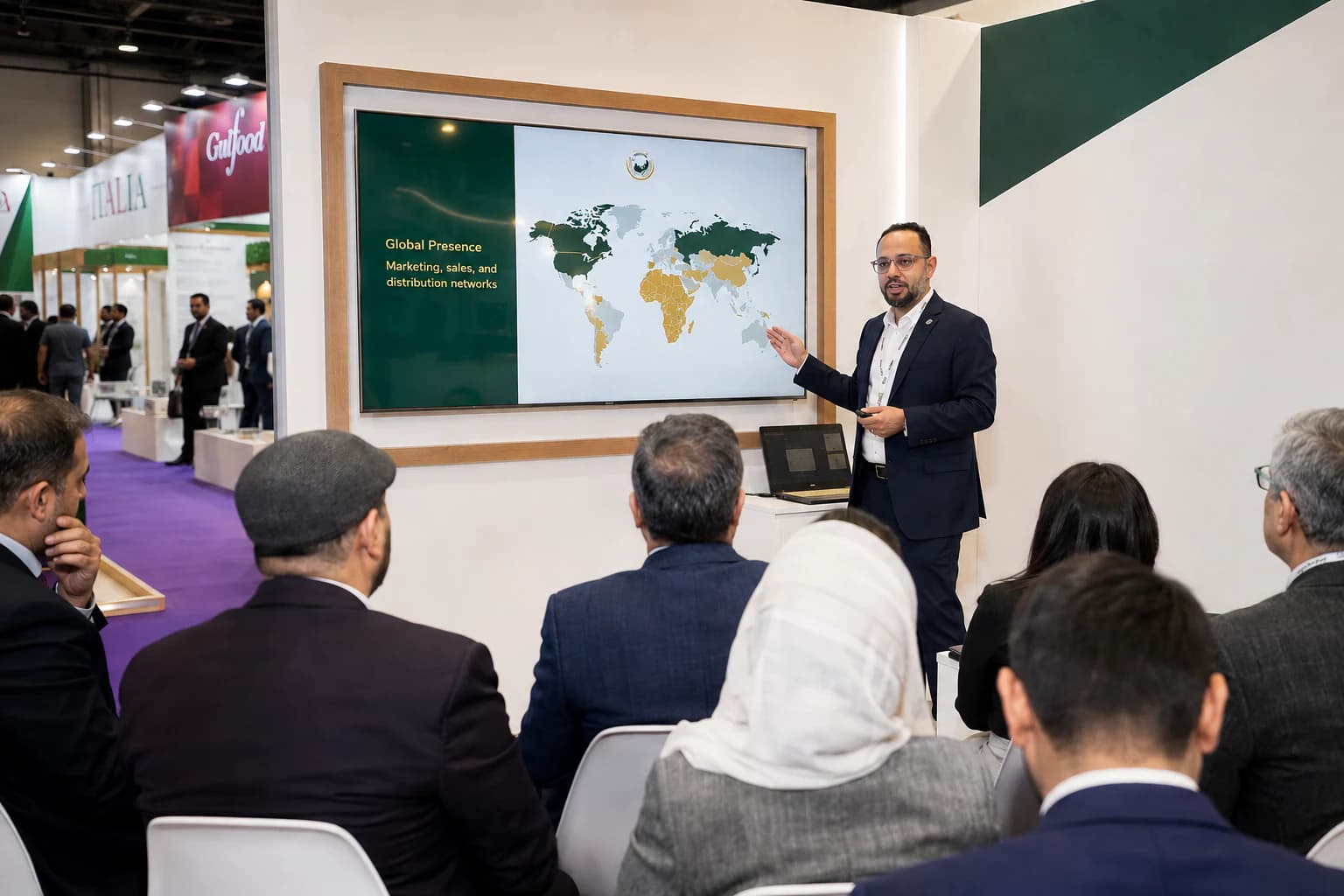
Global food and agricultural trade is fragmented and opaque, and it is hardest on the people with the least leverage: emerging-market producers and smaller enterprises. Pricing is difficult to discover, traceability is unreliable, and reaching serious buyers across borders requires infrastructure most producers do not have.
Building a platform for that world is as much a commercial problem as a technical one. Which markets first? At what price, in economies with very different purchasing power? Through which partners? Those questions needed answers before launch, not after.
My involvement
I lead sales and strategy. In practice that has meant designing the commercial architecture ahead of the platform itself: the market-entry sequence, a pricing model calibrated to local purchasing power rather than a single global rate, the partnership strategy, and the sales-operations infrastructure — research, workflows, follow-up and pipeline discipline.
I also work day to day with the AI/ML engineers. My rule there is that business questions come first: what we need to know about a market, to what standard, decided before any model is built. It keeps the research honest and the engineering pointed at something real.
One ecosystem, built in modules
T57 is a system of parts, not a single product. The wider ecosystem is the ambition; the work proves itself one module at a time. The first substantial build is the T57 Digital Agriculture Module — a completed Phase 1 that connects farm operations, a produce marketplace and financial workflows.
Keeping that distinction honest matters commercially as much as editorially: the ecosystem is pre-launch, and one module has reached a working MVP. Conflating the two would misrepresent both.
Gulfood and the first relationships
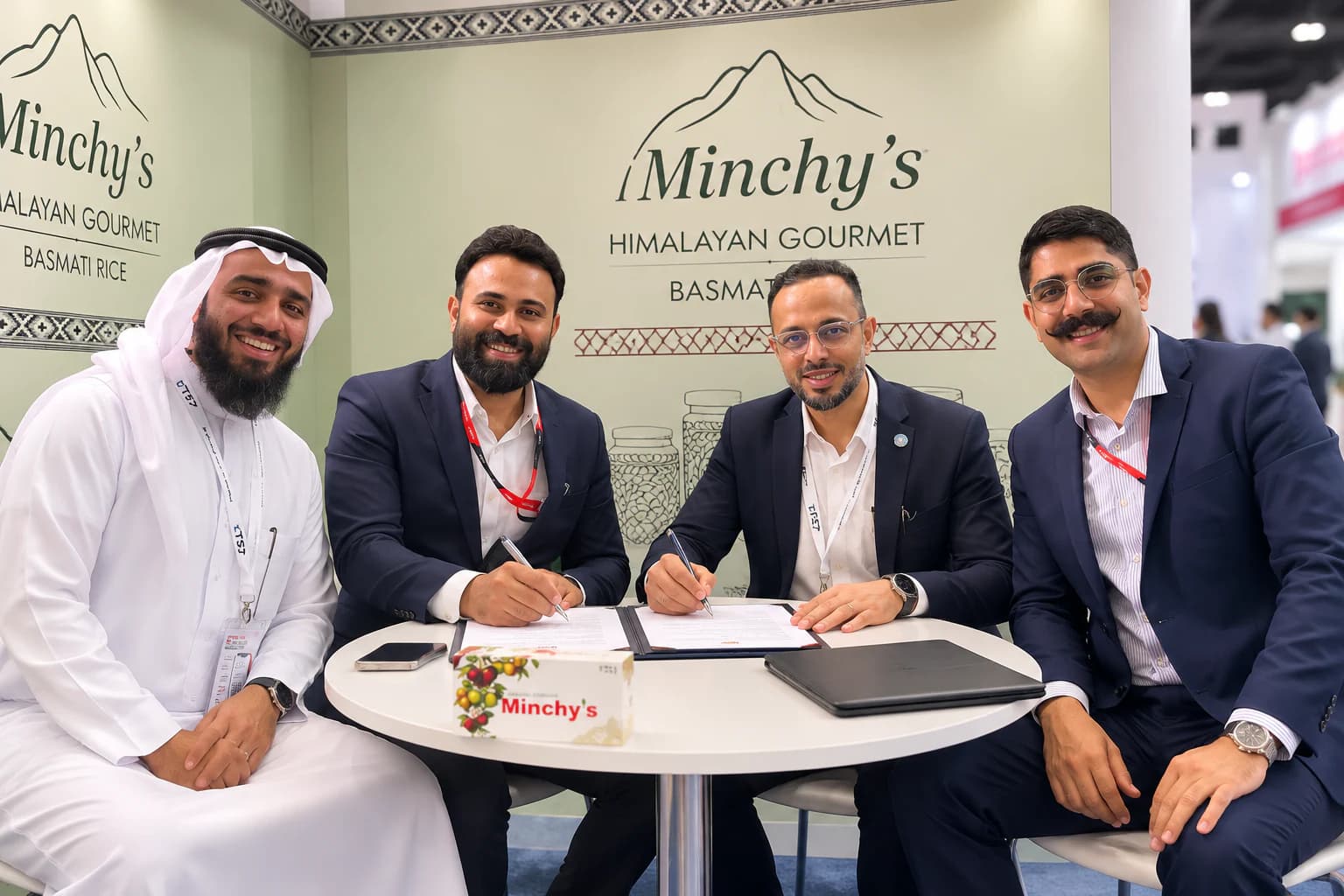
At Gulfood 2026 in Dubai, I led an eight-person team through a deliberately structured activation — a digital signing workflow and a daily performance cadence rather than a stack of business cards. The team came back with more than 150 signed letters of intent and memoranda of understanding: early relationships to develop, not revenue, but a genuine test of whether the proposition lands with real traders. It does.
Current stage
T57 remains in its pre-launch phase. Commercial planning is progressing alongside product development, fundraising and partnership discussions.
- 01
Research
Understand each market before committing to it
- 02
Prioritise
Sequence markets by opportunity and readiness
- 03
Price
Calibrate to local purchasing power
- 04
Partner
Find channels that already have trust
- 05
Prepare
Build the sales operations to execute
- 06
Enter
Activate, measure, and adjust
Explore the portfolio
What the work taught me
Pre-launch commercial work is an exercise in intellectual honesty. Plans and projections are necessary, but they are hypotheses, and the discipline is keeping a clear line between what has been validated and what is still belief. Defining the business question before the research starts (especially with AI in the loop) is the cheapest quality control there is.
Turning market ambition into a governed operating plan is the same instinct that shapes how I build enterprise software.